
Reverse osmosis is one of the most effective water treatment processes, removing 95-99% of dissolved impurities, including lead, chlorine, and fluoride to leave you with contaminant-free water. These systems are used in various applications, from engineering and pharmaceuticals to soft drinks and residential drinking water. The reverse osmosis process is essential in protecting your health, improving the taste of tap water, extending the lifespan of appliances by removing mineral deposits in the water, and offering an eco-friendly alternative to bottled water.
Product group
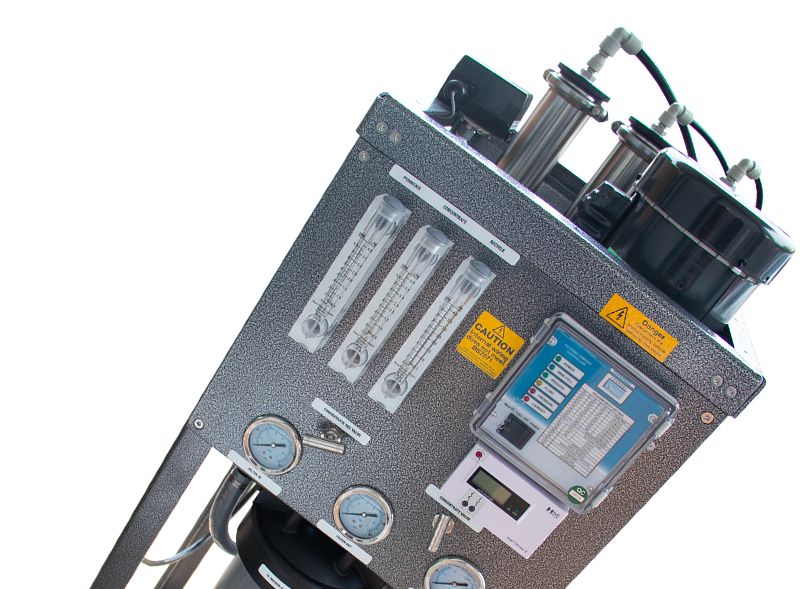
RO Systems
Reverse Osmosis systems provide purified water, pushing inlet water across a semi-permeable membrane
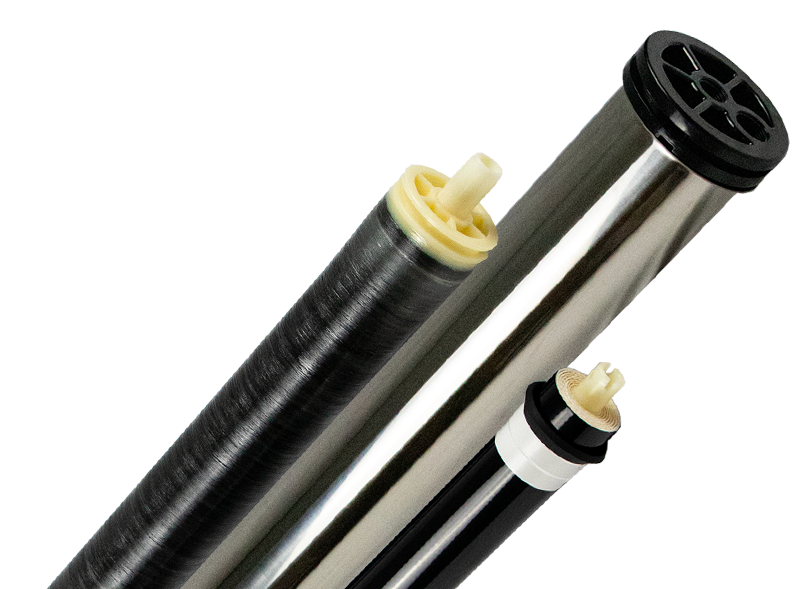
RO Membranes & Housings
Reverse Osmosis membranes, in membrane housings, provide a purification method to remove salts and ions from water
What Is Reverse Osmosis?
Reverse osmosis water filters force water through a semi-permeable membrane to remove contaminants whilst allowing only water molecules to pass through. Combined with pre and post-filtration stages, RO delivers pure, clean-tasting water and reliably removes a broad spectrum of impurities such as:
- Dissolved salts
- Heavy metals (lead, arsenic, mercury)
- Chemicals (chlorine, PFAS, pesticides)
- Microorganisms (bacteria, viruses)
- Nitrates
- Sulfates
- Microplastics
How Reverse Osmosis Works
Reverse osmosis is a pressure-driven separation process and works by using a semi-permeable membrane specifically created to let only water molecules through, while dissolved salts, metals, organic compounds, and other impurities are rejected and flushed away as concentrate.
To ensure efficient performance and to protect the membrane, pre-treatments are needed, such as sediment and carbon filtration to remove particulates, chlorine, and organic matter. Post-treatment may also be applied to polish the outcome and ensure high-purity water tailored to the application requirements.
Buy Reverse Osmosis Systems from Fileder
Fileder is proud to offer quality reverse osmosis systems for residential, commercial, and industrial settings. We have years of experience in the filtration industry, and are an award-winning and ISO-certified company celebrated for delivering reliable reverse osmosis solutions. If you’re looking for reverse osmosis systems, membranes, or housings, we can help. Browse our range of products now or get in touch with us for help or more information.
The Benefits of RO Systems
Better Taste
Reverse osmosis strips away minerals and impurities from water, resulting in better-tasting drinking water. That’s why RO water filtration systems are often used in hotels and restaurants so that coffee, tea, and food dishes taste as fresh as possible.
Consistent Product Quality
RO, when used in engineering, pharmaceuticals, and many other applications, ensures superior water purification by removing a wide range of contaminants. This leads to a more consistent product quality.
Environmentally Responsible
Reverse osmosis produces purified water without the use of chemicals or salt, meaning no harmful waste enters drainage or effluent systems. Impurities are physically separated from the water stream, reducing environmental impact and supporting cleaner, more sustainable operations.
Versatile & Scalable
RO systems are available with a wide range of flow rates and rejection options, making them suitable for domestic, industrial, and seawater applications. This flexibility allows systems to be tailored precisely to performance requirements, from small-scale installations to high-demand processes.
Removal of Dissolved Salts and Contaminants
Untreated water can carry pathogens, heavy metals, and harmful minerals that can be detrimental to health. RO membranes remove salts and contaminants to ensure safe water for drinking and other applications.
Suitable for Domestic, Commercial, and Industrial Use
Reverse osmosis water filters are suitable for and are widely used in domestic, commercial, and industrial settings to purify water and remove up to 99% of contaminants.
Reliable, Proven Filtration Technology
RO systems are highly reliable and are a proven technology in water treatment, widely considered to be the most effective method for producing clean and safe water. It’s been used for decades in many applications.
Where Are Reverse Osmosis Systems Used?
Domestic and Drinking Water Systems
RO systems are used widely in homes and domestic settings to purify water by forcing pressurised water through microscopic holes to remove contaminants and make it safe for drinking.
Commercial and Hospitality Applications
Reverse osmosis products can help ensure high-quality food and drinks, protection of equipment, compliance, and safety for commercial and hospitality businesses. For example, hotels can maintain clean water for guests, and restaurants can serve better-tasting food and drinks.
Industrial
RO provides a highly efficient, consistent, and cost-effective method for water filtration, which ensures product quality and equipment longevity. Industries like power generation, pharmaceuticals, and food and beverage production rely heavily on reverse osmosis for safety and quality.
Aquariums
Reverse osmosis is crucial in aquariums and other specialist uses as it removes up to 99% of impurities, which can be harmful to aquatic life. These contaminants and impurities are toxic to fish, can fuel unwanted algae growth, and cause diseases in corals and plants.
How to Choose the Right Reverse Osmosis System
Required Flow Rate/Output
Determine how much treated water you need per day or per hour. This will help you choose the system with the correct output, which ensures consistent performance.
Water Quality and TDS Levels
Feed water and quality directly affect the system design. Test for Total Dissolved Solids (TDS), hardness, iron, manganese, chlorine, heavy metals, etc. High TDS or hardness may require pre-treatment to protect RO membranes. Also, check water pH and temperature.
Application
The intended use of the water will determine the level of purification needed. For example, drinking water, industrial processes, aquariums, and laboratories will all have different compliance requirements. The RO system must be matched to the application.
Space and Installation Requirements
Consider the space available for installation, access to maintenance, and any plumbing or electrical requirements. Smaller or modular systems may be better suited for areas with restricted space.
System Types and Configurations
Under-Sink RO Systems
Under-sink reverse osmosis solutions are compact systems designed to fit neatly beneath kitchen counters. Due to their compact design, they are great for apartments, small households, and direct drinking water supply.
Features include:
- Space-saving design
- Dedicated drinking water tap
- High-quality, PFAS and contaminant-free water
Commercial RO Systems
These are reliable, mid-sized systems designed for industries needing consistent, high-quality water production. This generally includes businesses like restaurants and cafes, offices, breweries, car washes, and dental practices, as well as small manufacturing sites and laboratories.
Features include:
- Smaller packaged systems, simple but effective
- Robust performance for continuous or lower-volume batch operation
- Effective reduction of salts, minerals and other dissolved solids
Industrial RO Systems
Perfect for large-scale water purification across industrial applications, these customisable and flexible systems are perfect for industries such as manufacturing, food & beverage, laboratories, agriculture, and high-demand water processing.
Features include:
- Used to treat a variety of water sources
- Seawater desalination option available
- Customisable pre-treatment and post-treatment options
RO System Maintenance
Maintaining your reverse osmosis system is the best and most cost-effective way of getting the most out of it. It reduces the need to carry out large repairs and protects against downtime. To ensure you get the most out of your filtration system, you should regularly carry out certain maintenance tasks.
Replacing Consumables
Cartridge filters and membranes need to be regularly replaced to ensure they are performing optimally. For membranes, this can be between 2 and 3 years, whereas cartridge filters will need replacing more regularly.
Cleaning
Larger reverse osmosis systems typically require a Clean-In-Place (CIP) to ensure the system operates to its fullest potential. However, the frequency will depend on factors such as water chemistry and desired recovery rate. The type of system will also affect the time it takes to clean, with some systems taking up to a full day. Therefore, it’s important to plan this into your schedule.
Pre-treatment
Although pre-treatment isn’t generally considered ‘maintenance’, it is an important part of the operation when it comes to your RO system. The type of pretreatment needed depends on your feedwater chemistry and the final use of the permeate. It can include filtration, chlorination, antiscalant dosing, acidification, granulated activated carbon (GAC) and more, and ensures your desired permeate quality.
Common Concerns
Although there are many benefits to reverse osmosis systems, there are some common concerns that we can address.
Wastewater Production
RO systems create a reject stream that carries away the dissolved contaminants. This is commonly viewed as ‘waste’ water. However, many modern systems use high-recovery membranes that significantly reduce the amount of water that is wasted. Wastewater can also be repurposed for cleaning, irrigation, or cooling tower makeup.
Removal of Beneficial Minerals
Reverse osmosis removes most dissolved minerals, so many people think the drinking water tastes flat due to the lack of naturally occurring minerals. However, a lot of systems can include remineralisation cartridges to restore taste, and industrial users generally require low-mineral water for processes, so it is often a benefit.
Higher Upfront Cost Compared to Simple Filters
Reverse osmosis systems cost more than basic filters upfront. However, they provide a much higher contaminant removal than other filters can achieve alone, and they are much more efficient, providing lower running costs over time.
Reverse Osmosis Alternatives
Although reverse osmosis is one of the most effective methods for purifying water, there are other alternatives that also may be suitable depending on the application.
Activated Carbon Filtration
Activated carbon filtration effectively removes chlorine, organic compounds, VOCs, tastes, and odours. However, it doesn’t remove dissolved salts, hardness, nitrates, or TDS like reverse osmosis systems.
UV Systems
UV filtration systems neutralise bacteria, viruses, and microorganisms using UV light. They do not remove chemicals, minerals, metals, or particulates like RO systems. This alternative is therefore ideal for microbiological safety or paired with reverse osmosis systems for comprehensive treatment.
Water Softening
Water softening systems replace hardness minerals with sodium or magnesium to prevent scale, so they are great for protecting boilers, heaters, and other appliances. RO systems, on the other hand, also reduce TDS, heavy metals, and organics to achieve purity for production, medical, or drinking water. Water softening is often used before RO.
Reverse Osmosis Pricing
The cost of RO systems varies depending on a range of factors such as:
- System capacity
- Configuration
- Water quality requirements
- Complexity of installation
- Additional elements like pre-treatment and post-treatment
- Storage solutions
- Ongoing maintenance
For the most accurate pricing, a site assessment and water analysis are recommended to ensure the system is correctly sized and configured for your specific needs. Contact us today, and we can help you determine the cost of your ideal reverse osmosis system.
Why Choose Fileder for Reverse Osmosis Solutions?
Fileder have over 40 years of experience providing reverse osmosis systems to industries ranging from food and beverage to manufacturing and healthcare. We’re one of the UK’s leading suppliers of filtration and water treatment solutions due to our wide technical expertise, product quality, and vast industry experience. We are proud to offer a carefully selected range of residential, commercial, and industrial RO systems with full UK-based support whenever you need it.
We provide the full package, including pre-treatment, membranes, housings, pumps, and consumables, so contact us today, and we can ensure every part of the process performs at its best.
FAQs
Can Fileder help me choose the right RO system?
Yes. Our technical team provides guidance based on water usage, feed water quality, space constraints, budgets, and application requirements.
What support is available after purchase?
Fileder provides ongoing technical support, specification advice, and access to technical documentation, datasheets, and product experts.
What does reverse osmosis remove?
Reverse osmosis removes a broad range of dissolved contaminants, including salts and minerals, heavy metals, nitrates, fluoride, pesticides, PFAS, microorganisms (such as bacteria and viruses), and microplastics.
While the RO membrane performs the primary separation, pre-treatment such as carbon filtration is typically used to remove chlorine and protect the system, ensuring consistently high-quality purified water.
How often do RO membranes need replacing?
Typically, every 2–3 years, depending on feed water quality and system usage. Industrial membranes may last longer if proper pre-treatment is in place. If you need more guidance on when your membrane needs replacing, we can help.
How do I know what size RO system I need?
Sizing depends on daily water demand, peak flow requirements, feed water TDS, and available pressure. Fileder’s technical team can specify the correct unit and pre-treatment.
Are RO systems suitable for hard water?
Yes, reverse osmosis systems are effective for treating hard water at the point of use, such as at the sink, to remove calcium and magnesium. However, they are not a complete solution for very hard water. For more information on the best filtration methods for hard water, contact us today.

Customers Say…

It is a genuine pleasure to work with the Fileder team to find the optimal solution to deliver the quality water our beer demands
Fourpure – Brewery

I am really impressed with Fileder, the service they provide and also the availability of technical assistance, should it be required.
Redhill Farm Estate Vineyard – Winery

Fileder is committed to helping us achieve the best possible performance from our banks of membranes
Britvic – Pure Water Production

The addition of the RO system with the low energy HF5 membranes has provided an easy solution to the end user's requirements.
RMC – Power Production

Working with Fileder has allowed us to provide water safe from Chlorine when maintaining the wellbeing of the thousands of fish
Koi Water Barn – Fresh Water Fish
I have always found the Fileder products and service to be of the required quality and so have stayed with Fileder for many years
Cirencester Hospital – Medical Device