When you think of salt use in water treatment, you typically think of water softeners. It’s one of the most common applications, and for good reason. Salt regenerates the resin that removes hardness minerals such as calcium and magnesium from water.
However, water softeners aren’t the only systems that rely on salt. Across industrial water treatment, several ion exchange processes depend on high-quality brine to maintain performance, including organic scavengers.
In this blog, we’ll take a closer look at how organic scavengers work, why they require salt regeneration, and why choosing the right salt is essential for reliable system performance.
Most People Associate Salt with Water Softeners
Water softeners work by passing hard water through a bed of ion exchange resin. As the water flows through, calcium and magnesium ions are exchanged for sodium ions, producing softened water.
Over time, the resin must be regenerated, which is where salt comes in. A concentrated brine solution restores the resin’s ability to exchange ions, allowing the softener to continue operating efficiently.
How Brine Regeneration Works
Brine regeneration is the process of restoring ion exchange resin after it has reached its capacity.
During regeneration:
- A concentrated salt solution passes through the resin bed.
- The sodium ions displace the contaminants captured by the resin.
- The unwanted ions are flushed away.
- The resin is ready to return to service.
Using the correct salt is essential. High-purity salt helps produce a clean brine solution, reducing insoluble residue and supporting efficient regeneration.
Due to the popularity of water softeners, it’s easy to assume this is the only place salt is used.
What Is an Organic Scavenger?
Organic scavengers are specialised ion exchange systems designed to remove naturally occurring organic matter from water.
Commonly found in larger industrial water treatment plants where organic contamination could reduce process efficiency, foul downstream equipment or impact final water quality these systems rely on specialist ion exchange resins to capture contaminants.
Why Organic Scavengers Also Need Salt Regeneration
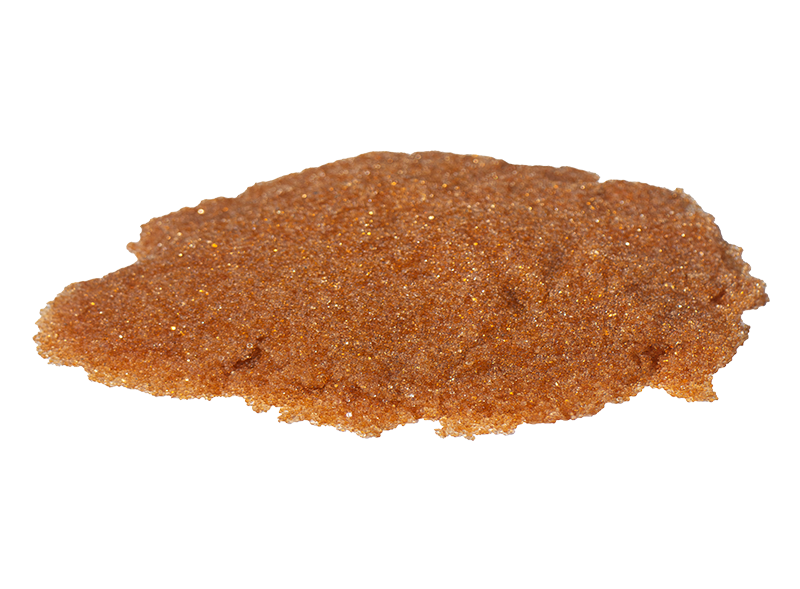
Because organic scavengers also utilise ion exchange resin, they eventually become exhausted as contaminants build up.
To restore performance, the resin must be regenerated using a brine solution.
Although organic scavengers are less common than water softeners, they share the same fundamental requirement: a reliable supply of high-quality regeneration salt.
Choosing the Right Salt
Low-quality salt can introduce impurities and insoluble material into the regeneration process, potentially leading to increased maintenance, poor regeneration efficiency and unnecessary downtime. This often manifests itself as brown residue in the brine tank.
For performance you can depend on, choose salt produced to high-quality industry standards.
SPECTRUM softener salts are manufactured to EN973 Type A standards, delivering a minimum of 99.4% purity, and reliable regeneration across a range of applications.
Available in:
- Granular salt
- Tablet salt
There’s a format to suit a wide range of commercial and industrial water treatment systems.
How Fileder Can Help
Whether you are operating a conventional water softener or an industrial ion exchange system such as an organic scavenger, choosing the right regeneration salt helps keep your equipment performing at its best.
We supply the full SPECTRUM Salt range, including EN973 Type A-certified granular and tablet salt, as well as block salt. We’ve recommended SPECTRUM Salt for use in organic scavenger systems at multiple sites across the UK, with customers reporting excellent results and reliable regeneration performance within these applications.
Backed by expert technical support, dependable stock availability and over 40 years of water treatment expertise, we can help you select the right regeneration salt for your application.