Water filtration is an important part of any industry to ensure clean, consistent water quality. It affects everything from equipment reliability to production downtime and even employee and consumer safety. However, not all water filtration systems are the same, and the filter you choose for your business depends on factors like the water source, contaminants, flow rate, and the application itself. In this blog, we will take a deep dive into how you can choose the right water filter for your application.
Step 1: Identify What You’re Filtering Out
Before you choose your water filter, it’s important that you identify exactly what it is that you need to filter out. This may include:
- Sediment (sand, silt, rust particles)
- Chemicals (chlorine, pesticides, taste/odour issues)
- Microbes (bacteria, viruses, protozoa)
- Dissolved salts/metals (hardness, lead, heavy metals)
Or a combination of several.
Each contaminant that you are trying to filter out has a filtration solution that is best suited to removing it.
Sediment = Mechanical Filtration
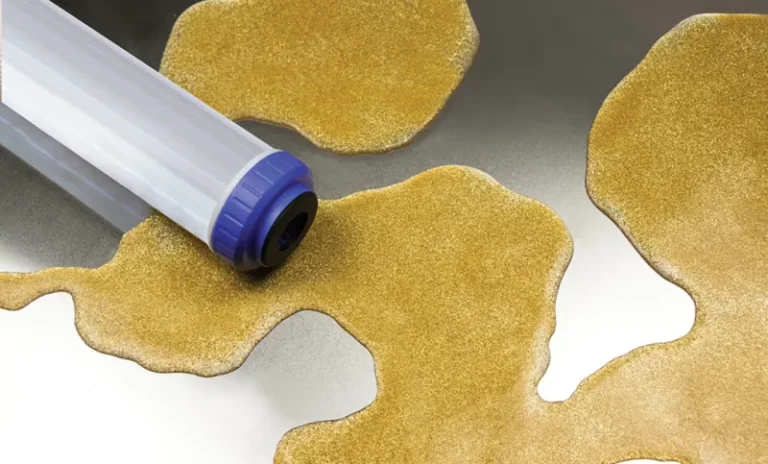
Sediment is usually made up of sand, silt, rust, or other particles that result in cloudy water. To filter sediment, mechanical filtration is recommended. This involves a physical barrier to remove suspended particles from water, such as bag filtration or cartridge filters.
Chemicals & Taste = Activated Carbon
Water can have a bad taste or odour due to chemicals like chlorine, pesticides, or organic compounds. Activated carbon filters are used, which is a water treatment method that uses highly porous carbon to remove contaminants through absorption.
Microbes = UV or Membrane Filtration
Microbes such as bacteria, viruses, and protozoa can be extremely harmful to health, so it’s essential that these are removed for production, drinking, and residential use. To do this, UV filters use ultraviolet radiation to damage the DNA of harmful microorganisms, rendering them harmless and unable to reproduce.
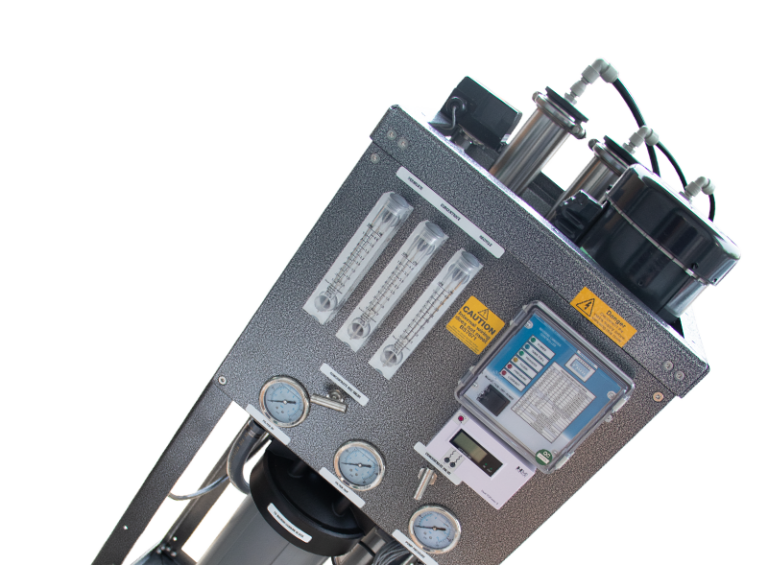
Salts & Metals = Reverse Osmosis
Salts in water can lead to water hardness, and traces of metals can lead to serious health problems and damage to the environment. Reverse osmosis systems use a semi-permeable membrane to remove impurities like salts and metals by forcing water through a membrane under pressure.
To find out what contaminants you are dealing with, you can do this through professional water testing. This offers the most reliable way to ensure you address the right contaminants.
Step 2: Match Filter Type to Application
The water filter you choose also depends on how you plan on using the water. For example, a residential system won’t have the same requirements as a laboratory or beverage production line. Here are a few examples of the different needs of certain applications and industries:
Residential Drinking Water
When it comes to residential drinking water, you want to ensure it is safe and enjoyable for you and your whole family to drink. Solutions may include:
- Reverse osmosis for comprehensive purification
- Activated carbon filters for improving taste and odour
- UV filters to kill bacteria and viruses
Food & Beverage
The food and beverage industry relies on pure, high-quality water for production and consumption. It increases the shelf life of products whilst improving taste and appearance. Solutions may include:
- Reverse osmosis for high-purity water
- Activated carbon filters for improving taste and odour
- Mechanical filtration, such as surface or depth filtration, for removing particulates
- UV filters for chemical-free disinfectant
Laboratories & Pharmaceuticals
Laboratories and pharmaceutical companies that produce formulations or carry out experiments need ultra-pure water for safety, accuracy, equipment integrity, and compliance with strict regulatory standards. They therefore may require:
- Reverse osmosis for ultra-high-purity water
- UV filters for chemical-free disinfectant and to kill bacteria
- Depth filtration to remove larger particles and contaminants
Manufacturing/Process Water
Manufacturing companies need reliable, high-volume water for their production processes. Water filters ensure consistent product quality, protection from damage to machinery, and compliance with health and safety regulations. They therefore may require:
- Reverse osmosis for high-purity water
- Activated carbon filters for removing bad taste and odours
- UV filters for disinfecting water without chemicals
Step 3: Consider Flow Rate and System Capacity
You need to determine the flow and pressure of the water used. Too small a filter can cause blockages or inefficiencies, too large a system can be unnecessarily costly and space-consuming. Properly sized filters will ensure consistent water quality and a longer filter life.
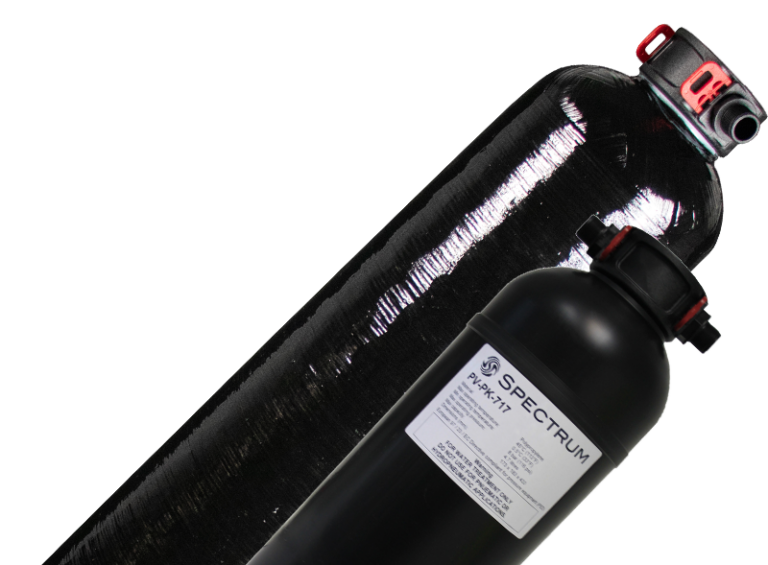
At Fileder, we offer a wide range of filter housings from stainless steel to polypropylene and bag filters, each with its own benefits for certain needs and system sizes. For example, A factory may need a multi-stage filter system capable of processing thousands of litres per hour, whereas a single home might only require a compact carbon cartridge.
Step 4: Think About Maintenance and Replacement
Maintenance is key to consistent water quality and prolonging the life of your filtration system. If you keep on top of routine tasks such as regular cleaning and replacement, your water filter system should perform optimally for years to come.
Follow the manufacturer’s recommended replacement schedule to help prevent performance issues and protect water quality. For example, the typical lifespan of filters may look like:
- Sediment cartridges – 3-6 months
- Carbon filters – 6-12 months
- RO membranes – 2-5 years
Work with a Trusted Partner
The most efficient water systems are those that are designed around the application. At Fileder, we can help create a custom filtration system that is tailored to your needs. This may include combining a range of solutions to help you get the pure water needed for your application, from food and drink production to pharmaceutical formulations.
Working with a trusted partner like Fileder ensures your system is designed, installed, and maintained to meet your performance, budget, and sustainability goals. Contact our filtration experts today to find out more about how we can help you.