
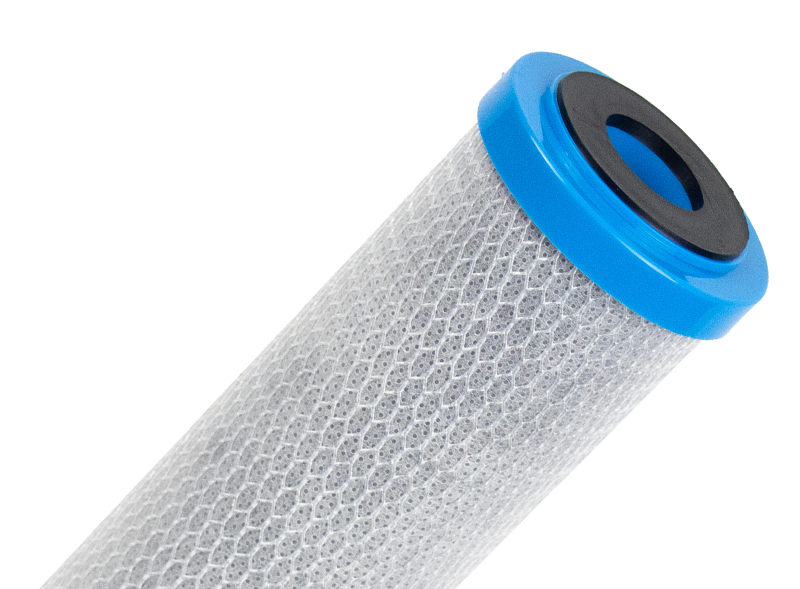
At Fileder, we supply a wide range of carbon filter cartridges, including activated carbon filters, granular carbon filters, carbon block filters, and carbon fibre filters. Carbon filters are used in a wide range of applications and industries to improve water quality, such as the food and beverage industry, pharmaceuticals, chemical and petrochemical, and residential buildings. Browse our full range below.
Product range
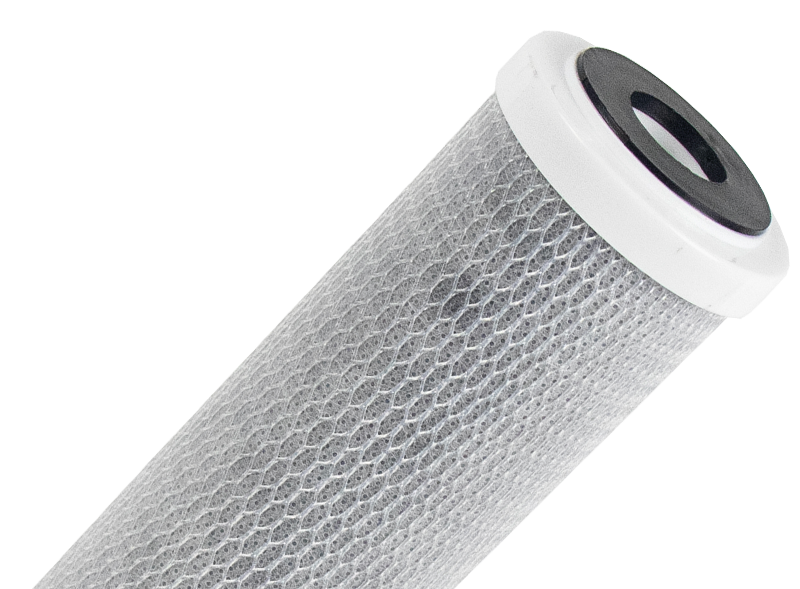
SPECTRUM FibreOnyx Standard Carbon Filter – SFBC
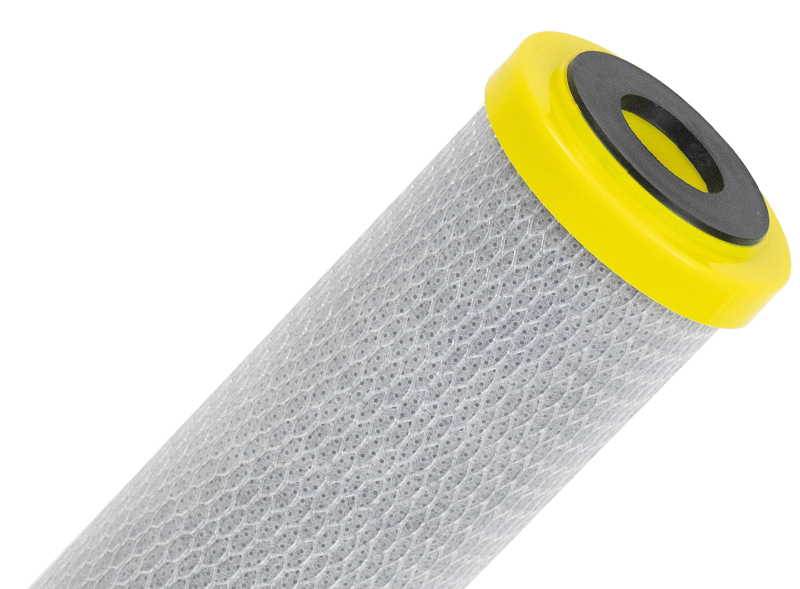
SPECTRUM FibreOnyx Chloramine Carbon Filter – PFBC
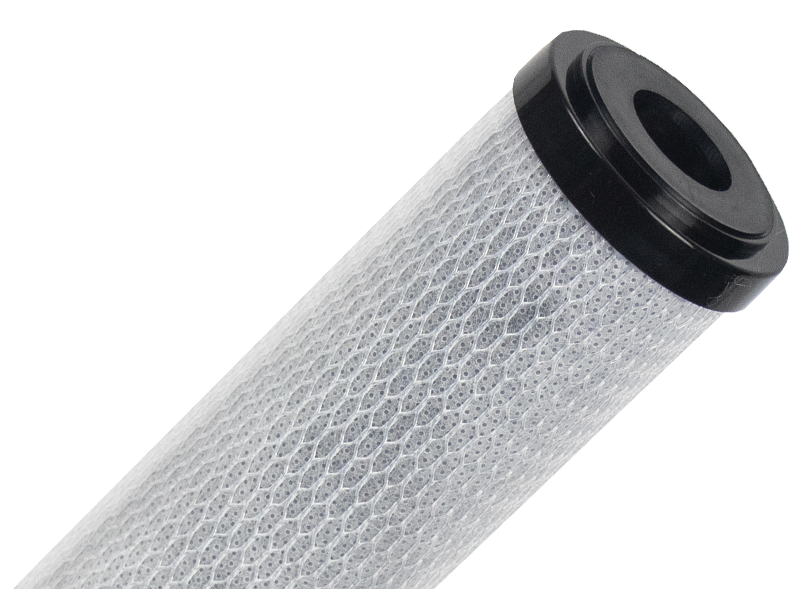
SPECTRUM FibreOnyx Electroplating Carbon Filter – SFBC-EL
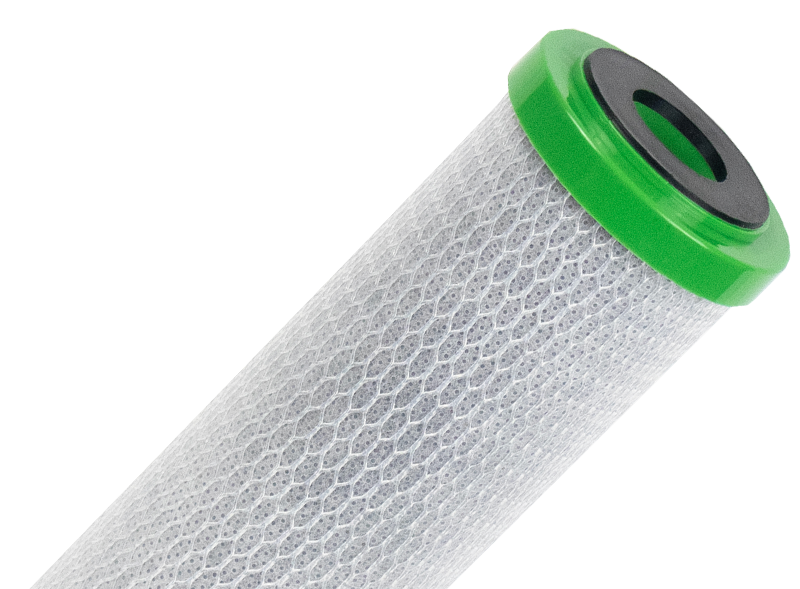
SPECTRUM FibreOnyx Lead Reduction Carbon Filter – SFBC-PB
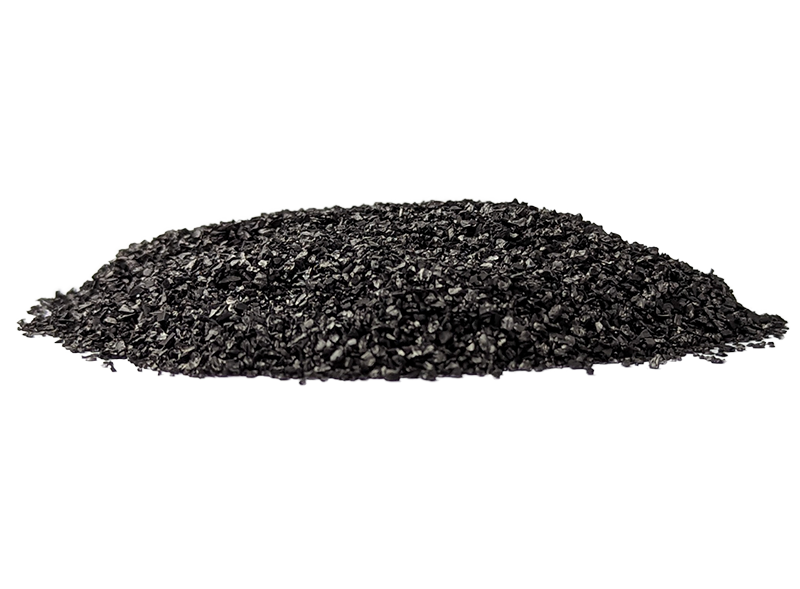
SPECTRUM Carbon SCG-C
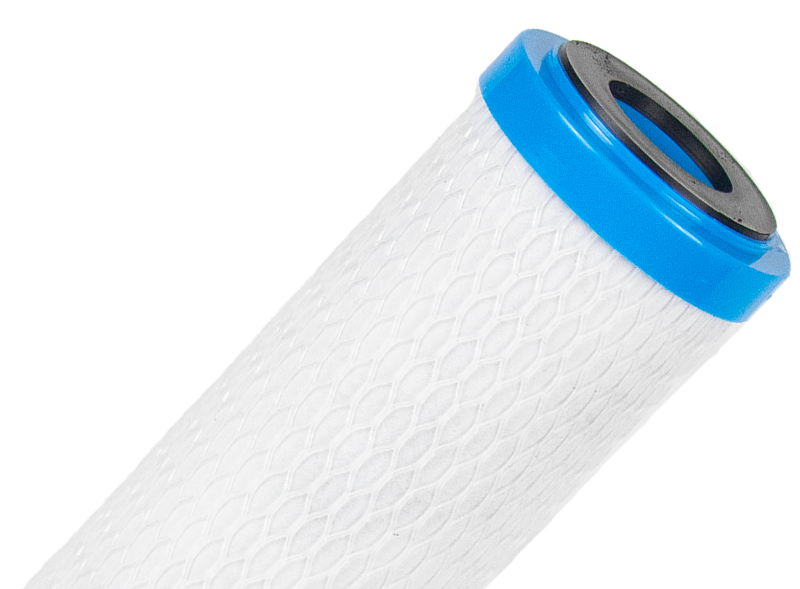
SPECTRUM 870 Economic Carbon Block Cartridge – ECB
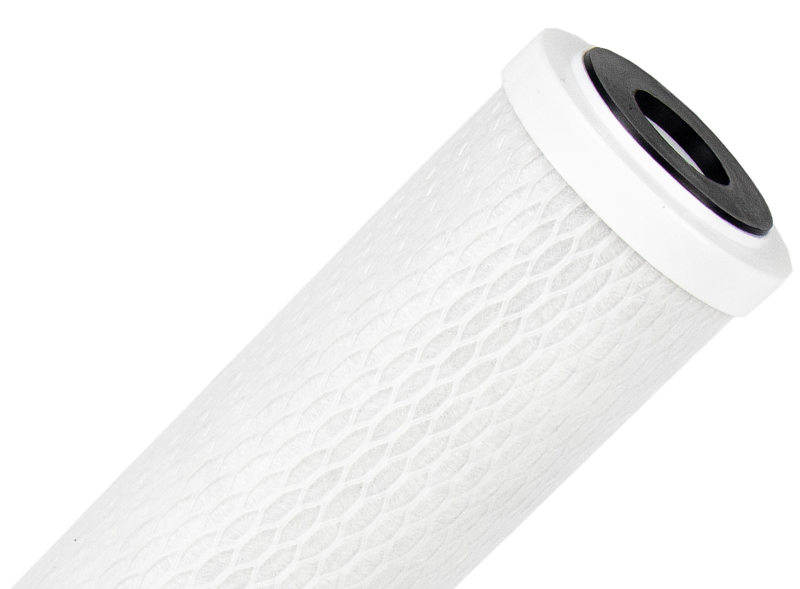
SPECTRUM 870 Standard Carbon Block Cartridge – SCB
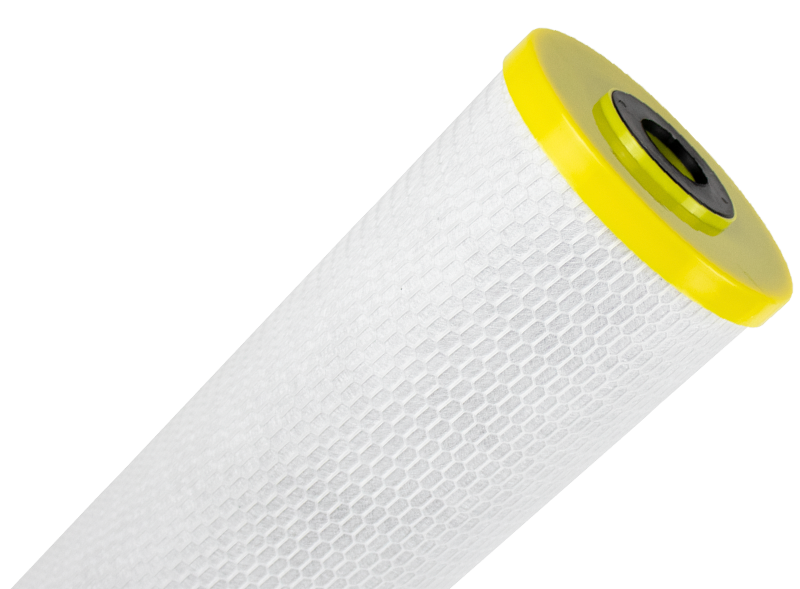
SPECTRUM 870 Premier Carbon Block Cartridge – PCB
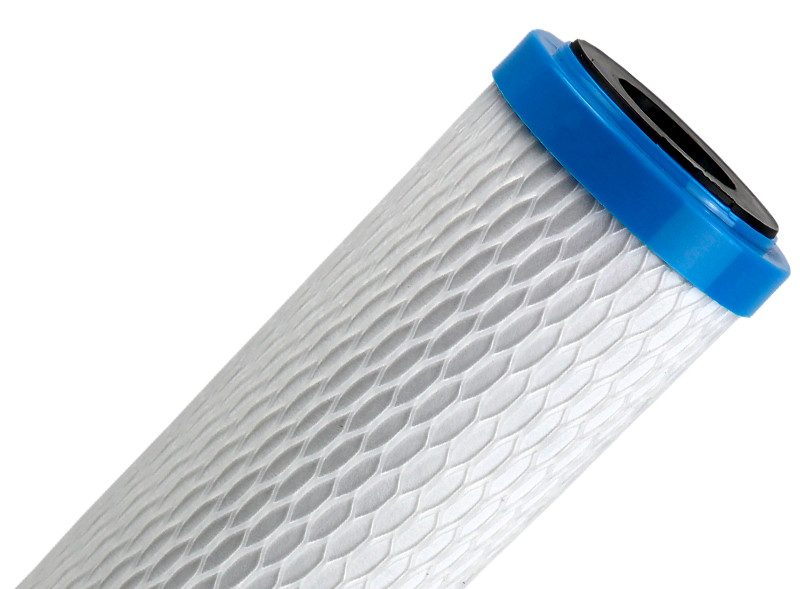
Pentair EPM / EP Carbon Range
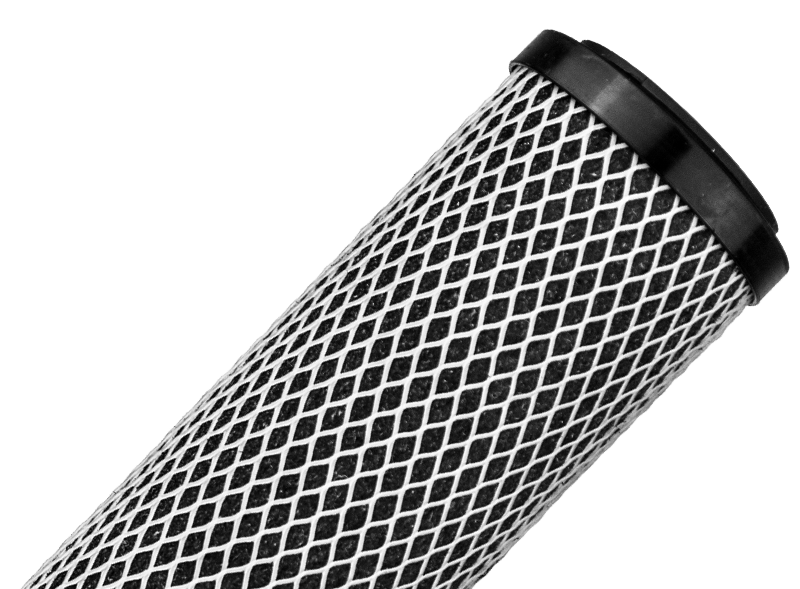
Pentair Fibredyne CFBC Carbon Cartridge
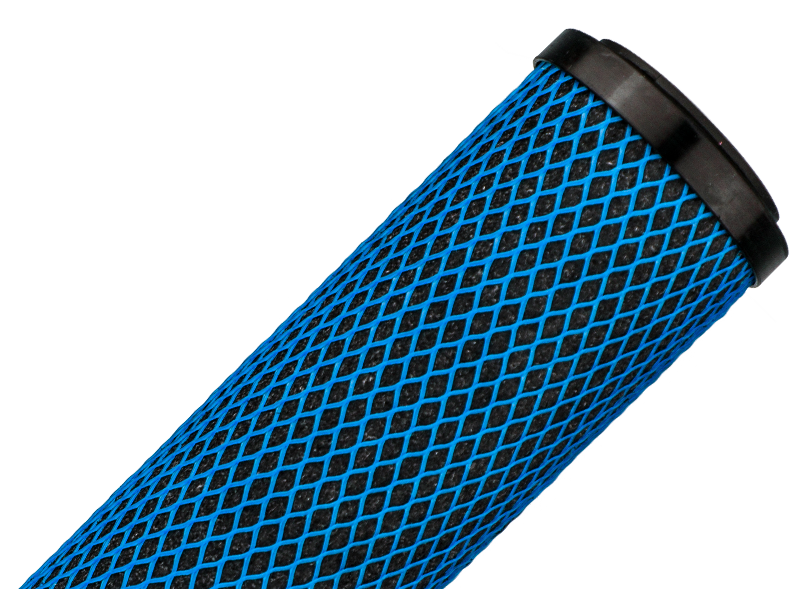
Pentair Fibredyne CFB-Plus Carbon Block Cartridge
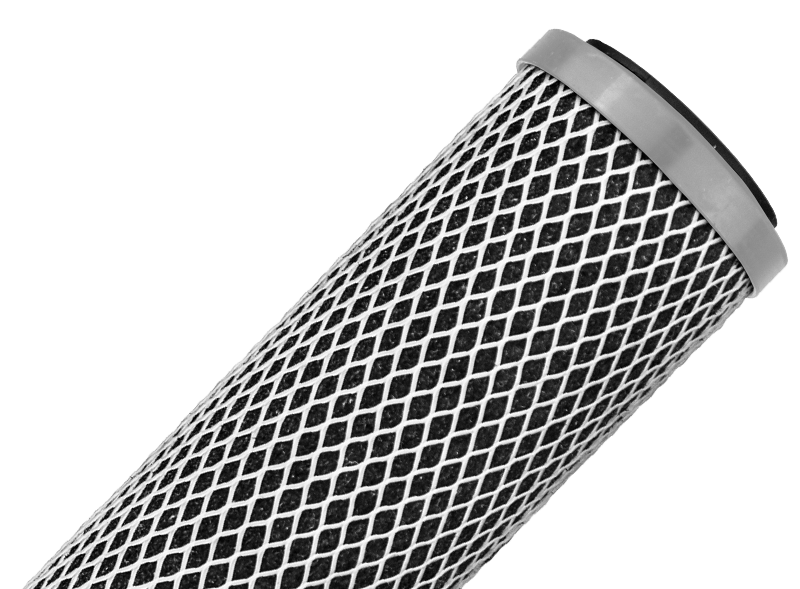
Pentair Fibredyne FloPlus Carbon Cartridge
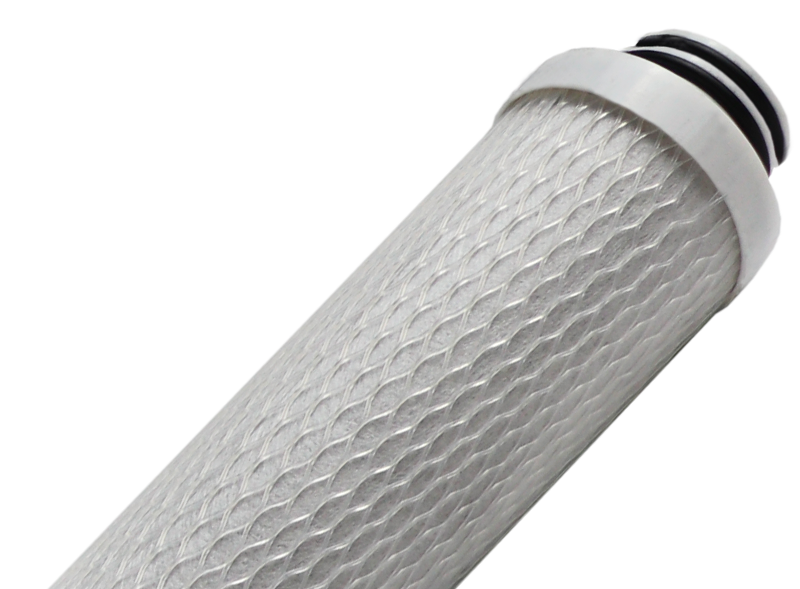
SPECTRUM 870 Carbon Block SCB-S
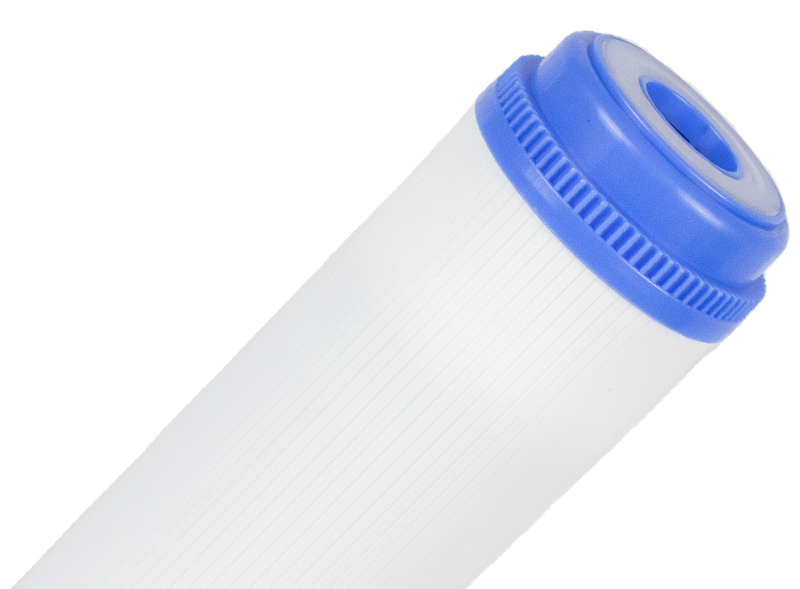
SPECTRUM 870 Granular Carbon – ECG
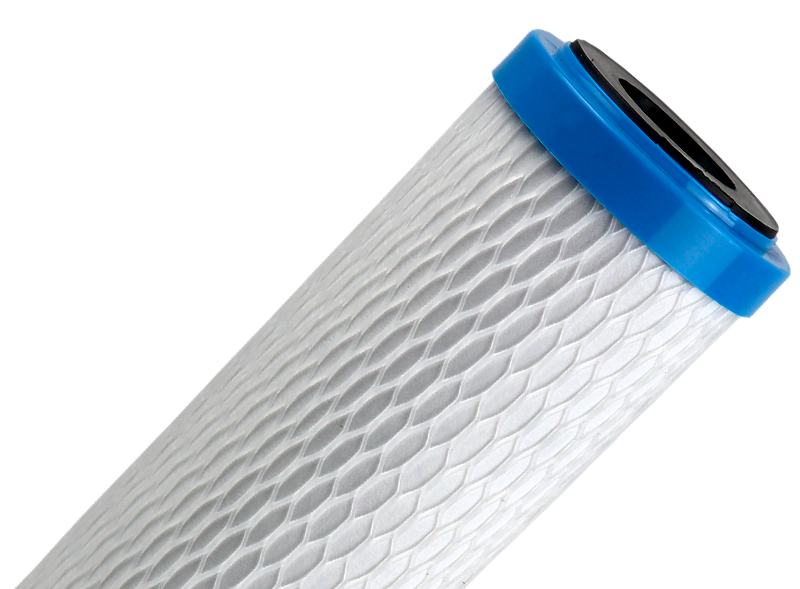
870 Carbon Block – CB
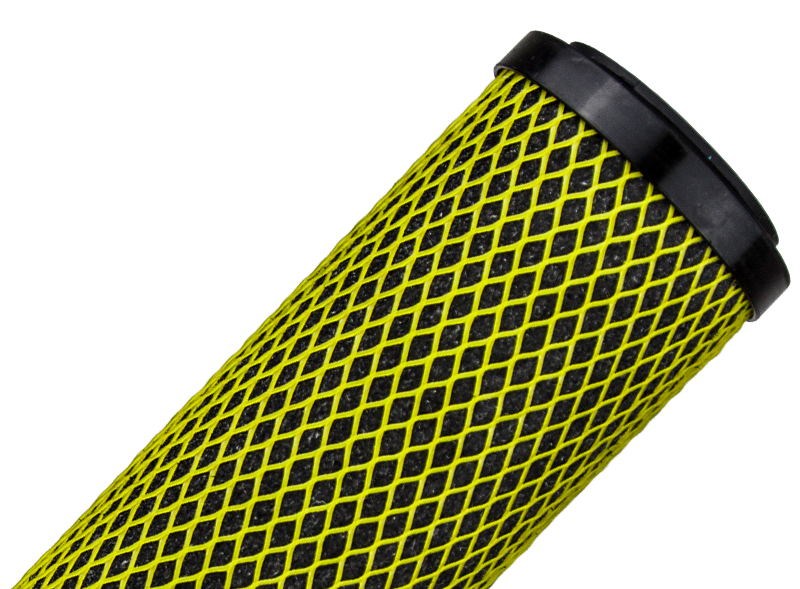
Pentair Fibredyne C-155 Electroplating Carbon Cartridge
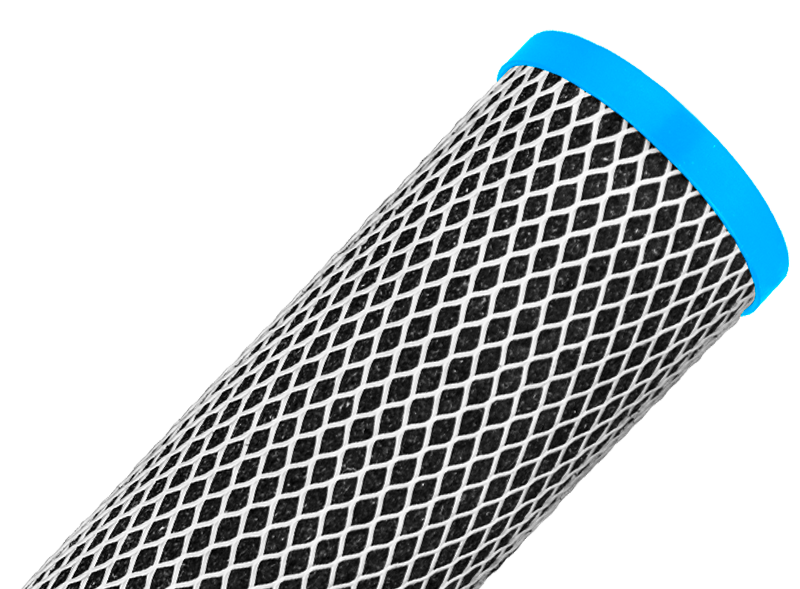
Pentair Fibredyne CFB-PB Carbon Cartridge
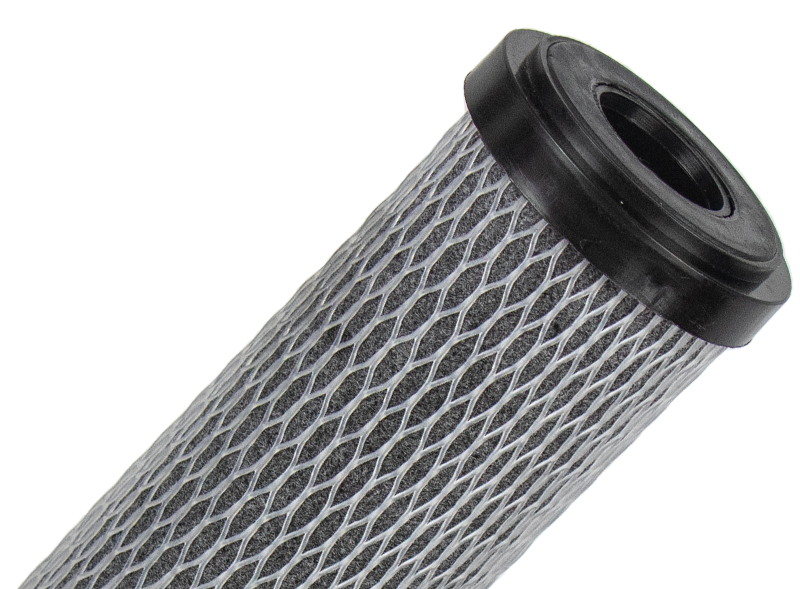
SPECTRUM 870 Carbon Wrap Cartridge – SCW
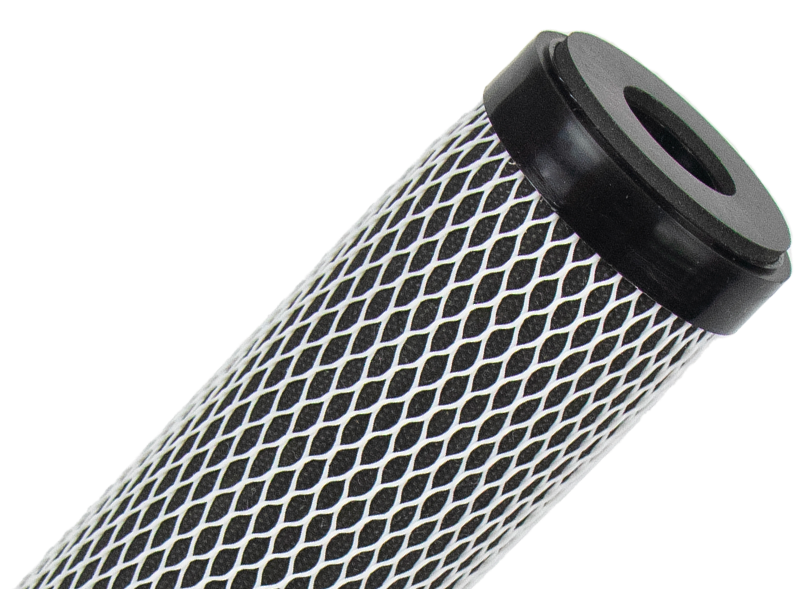
SPECTRUM OilOut-99
What is Carbon Filtration?
A carbon filter is a type of filter that uses processed carbon to remove chlorine, chloramine,, foul tastes and odours, and other contaminants from drinking water through a process called adsorption. There are different types of carbon filters available, including:
- Carbon block – uses a dense, solid block of fine carbon powder to remove finer particles with high precision.
- Granular activated carbon – uses loose, larger granules for faster flow rates and improving taste and odour.
Carbon fibre – uses tightly bound carbon fibres to deliver high surface area filtration.
When water passes through the carbon filter, organic compounds naturally stick to the carbon’s surface allowing treated water to flow out of the other end. Carbon filters are therefore highly effective, with millions of microscopic pores that provide a huge surface area for trapping impurities.
There are many benefits to choosing a carbon filter, including:
- Improving the taste and odour of water
- Removing a wide range of contaminants such as organic chemicals, chlorine byproducts, VOCs, and more
- Versatility
How to Choose the Right Carbon Filter
When choosing the right carbon filter for your needs, you should consider certain factors, including:
- Water source – distinguish whether you have mains water, a private borehole, surface water, etc., as different sources have different contamination risks.
- Contaminants – next, understand the contaminants you need to remove, such as chlorine, chloramine, volatile organic compounds, heavy metals, etc. You can do this by testing your water.
- Determine required flow rate – higher flow rates may require larger or multiple cartridges.
- System size – consider your existing housings, check compatibility with certain standards or certifications.
- Budget – compare the initial cost of the cartridge to the cost throughout its lifespan. E.g. filter replacements, maintenance, and cleaning.
- Maintenance expectations – the service life of your filter can depend on the carbon type, water quality, and usage. For example, some filters may need to be changed every 6-12 months depending on the load.
If you need assistance choosing the right carbon filter for your needs, we have a team of experts on hand to help guide you through your choices based on your specific requirements. Contact us today.
Maintenance and Replacement Guidance
Proper maintenance is essential for helping your carbon filter continue to perform effectively. Therefore, we recommend the following maintenance tasks:
- Regularly change the pre-filter to prevent clogging
- Check taste/odour and performance regularly
- Follow manufacturer requirements and specifications
It’s also important to know when your filter is ready to be replaced. This is usually every 6-12 months, but warning signs often include:
- Return of tastes or odours in the water
- Reduced chlorine reduction in test results
- Noticeable drop in flow rate
If you’re unsure if your carbon filter is in need of replacement, we can help. Call us today, and we can discuss any signs.
Why Choose Fileder for Carbon Water Filters?
At Fileder, we have over 40 years of experience helping homes and businesses choose and install the right carbon filtration solutions for their needs. From food manufacturers and drinks producers to laboratories and cosmetics manufacturers, we can help you choose the most effective carbon technology for your application.
Our team ensure reliable, high-quality cartridges that deliver consistent performance, and we’re here to help every step of the way. Browse our range of carbon filters for effective water treatment today.
FAQs
How often should I replace a carbon filter?
Most carbon cartridges require replacement every 6–12 months, depending on water quality, usage and the system’s capacity. High-sediment or high-contaminant applications may require more frequent changes.
Are carbon filters suitable for drinking water?
Yes. Carbon filtration is widely used for improving taste, odour and clarity and is common in drinking water systems.
Can carbon filters reduce limescale?
Not usually. Carbon filters target chemical contaminants and taste and odour rather than hardness minerals. For limescale issues, you’ll need a water treatment solution.
Do carbon filters remove bacteria or viruses?
Standard carbon filters do not remove bacteria or viruses. If microbiological protection is needed, some carbon filters are rated at 0.5um for cyst removal, however you can consider adding UV disinfection to your filtration process.





Customers Say…

It is a genuine pleasure to work with the Fileder team to find the optimal solution to deliver the quality water our beer demands
Fourpure – Brewery

I am really impressed with Fileder, the service they provide and also the availability of technical assistance, should it be required.
Redhill Farm Estate Vineyard – Winery

Fileder is committed to helping us achieve the best possible performance from our banks of membranes
Britvic – Pure Water Production

The addition of the RO system with the low energy HF5 membranes has provided an easy solution to the end user's requirements.
RMC – Power Production

Working with Fileder has allowed us to provide water safe from Chlorine when maintaining the wellbeing of the thousands of fish
Koi Water Barn – Fresh Water Fish

I have always found the Fileder products and service to be of the required quality and so have stayed with Fileder for many years
Cirencester Hospital – Medical Device